Survivalism, in general, is a lifestyle or ideology focused on self-reliance, preparedness, and resilience in the face of potential disasters, emergencies, or breakdowns in societal order. It encompasses a range of practices, from acquiring survival skills and knowledge to stockpiling essential supplies and creating sustainable living arrangements.
When considering survivalism in different types of areas—urban, suburban, and rural—the approach and challenges may vary significantly.
- Urban Survivalism: Urban survivalism involves preparing to survive and thrive in densely populated urban environments. In cities, access to resources may be more limited, and the potential for social unrest or disruptions in services may be higher. Key considerations for urban survivalism include:
- Security: Urban areas may face higher crime rates and security risks. Strategies for securing living spaces and navigating urban environments safely are essential.
- Resource Management: Limited space and access to natural resources necessitate efficient use of available supplies, including water, food, and energy.
- Mobility: Urban survivalists may need to plan for evacuation routes and alternative transportation methods in case of emergencies such as natural disasters or civil unrest.
- Community Engagement: Building networks and alliances within the urban community can provide mutual support and resources during challenging times.
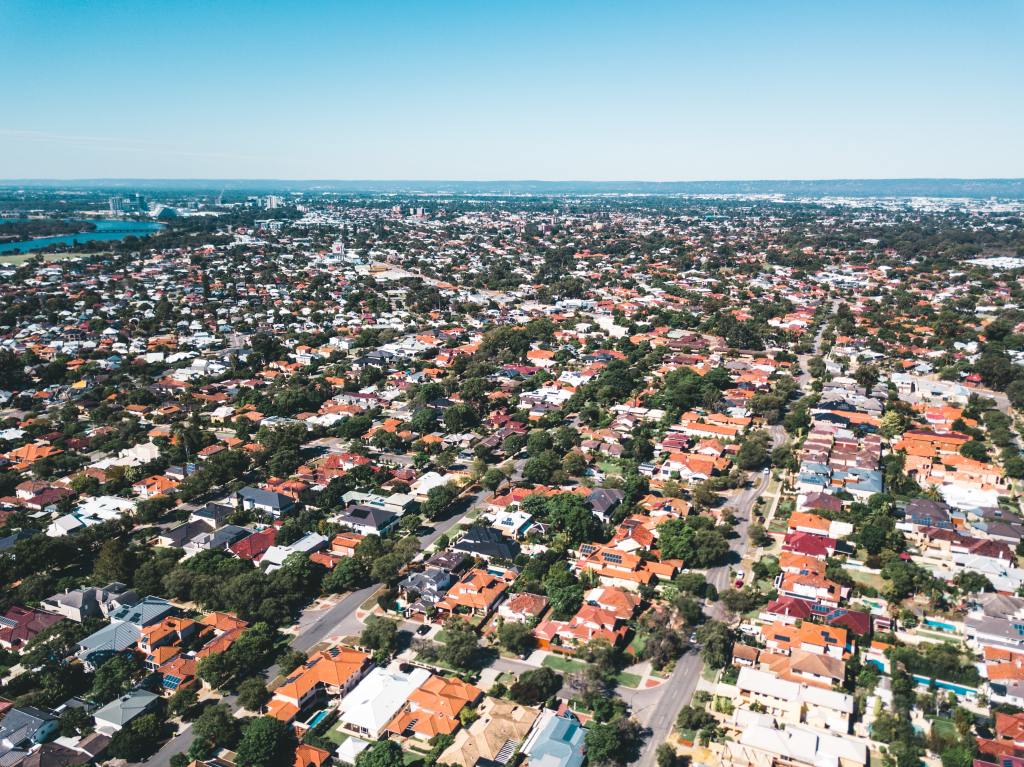
- Suburban Survivalism: Suburban survivalism focuses on preparing for emergencies while living in suburban residential areas, typically located on the outskirts of urban centers. Suburbs offer a balance between urban conveniences and rural landscapes but present unique challenges, including:
- Self-Sufficiency: Suburban survivalists may aim to cultivate self-sufficiency by growing food in backyard gardens, raising livestock, and utilizing renewable energy sources.
- Resilient Infrastructure: Maintaining infrastructure resilience, such as backup power systems and water purification methods, can mitigate the impact of disruptions in services.
- Community Cooperation: Suburban neighborhoods often foster strong community bonds. Collaborating with neighbors on emergency preparedness plans and resource sharing can enhance collective resilience.
- Rural Survivalism: Rural survivalism involves living in sparsely populated areas, often characterized by agricultural land, forests, and natural resources. While rural environments offer greater autonomy and access to land for cultivation, survivalists face distinct challenges:
- Self-Reliance: Rural survivalists rely on traditional skills such as farming, hunting, and food preservation to sustain themselves and their families.
- Off-Grid Living: Many rural survivalists opt for off-grid living arrangements, generating their own power, collecting rainwater, and managing waste disposal independently.
- Environmental Awareness: Preserving the natural environment and adapting to local climate conditions are critical aspects of rural survivalism. Sustainable land management practices and conservation efforts contribute to long-term resilience.
In summary, survivalism adapts to the specific needs and environments of individuals and families, whether they reside in urban, suburban, or rural areas. By embracing self-reliance, community cooperation, and proactive preparedness measures, survivalists aim to thrive in any circumstance, safeguarding themselves and their loved ones against potential risks and uncertainties.
 Survivalism market